
London Is Off The Critical List
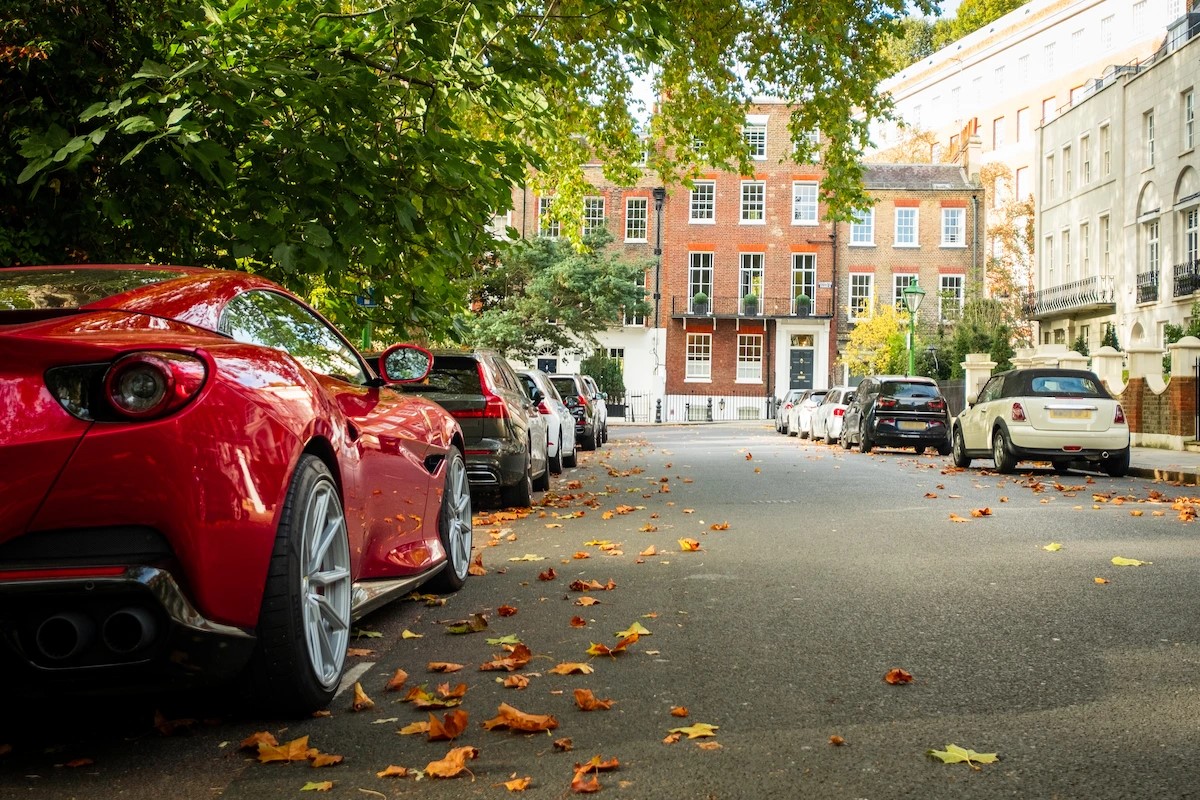
After five years of being considered at high risk of a property crash the latest UBS Global Real Estate Bubble Index 2026 now considers London safe from the risk of a collapse in real estate values.
Prime Central London (PCL) prices have been on a generally downward trajectory since before the pandemic.
“Rather than being a bubble bursting it has been more like a tyre slowly deflating,” said Camilla Dell, managing partner at Black Brick. “
Although UBS acknowledges this lack of price growth in recent years, the plus side is that the bank now feels confident that the relative value for money it now represents, and its enduring appeal to international buyers, mean it is safe from the threat of an economic bubble.
This is, of course, good news, and suggests that London is a safer buyer bet than high and elevated risk cities, including Zurich, Dubai, Miami, and Tokyo.
“I do think this is fuelling appetite, both domestic and overseas,” said Dell. “Buyers are looking at London because it now looks like very good value and people see it as an opportunity.”
In terms of green shoots of growth, estate agent Knight Frank believes the summer has seen a return of optimism in Prime Central London (PCL). Sales in the three months to August were six per cent higher than in the same period last year and Stuart Bailey, head of the firm’s super prime sales department, feels buyers have become almost immune to volatility after a decade of hard knocks.
There is also the increasing trend for AI companies to select London as their European base, bringing thousands of new faces to the capital. Runway AI, the £5.3bn video generation company, has announced plans for a major expansion in London plus a $200m investment into the UK’s AI ecosystem over the next two years. Other firms – from OpenAI to Google – have already picked London.
And, at the bottom rung of the property ladder, the Government’s announcement of a state-funded scheme to help young buyers onto the housing ladder with 20 per cent equity loans, is also good news. “A healthier bottom end of the market will filter up through the rest of the market, and it is really needed at the moment,” said Dell.
Mansion Tax Is Already Distorting London’s Prime Markets
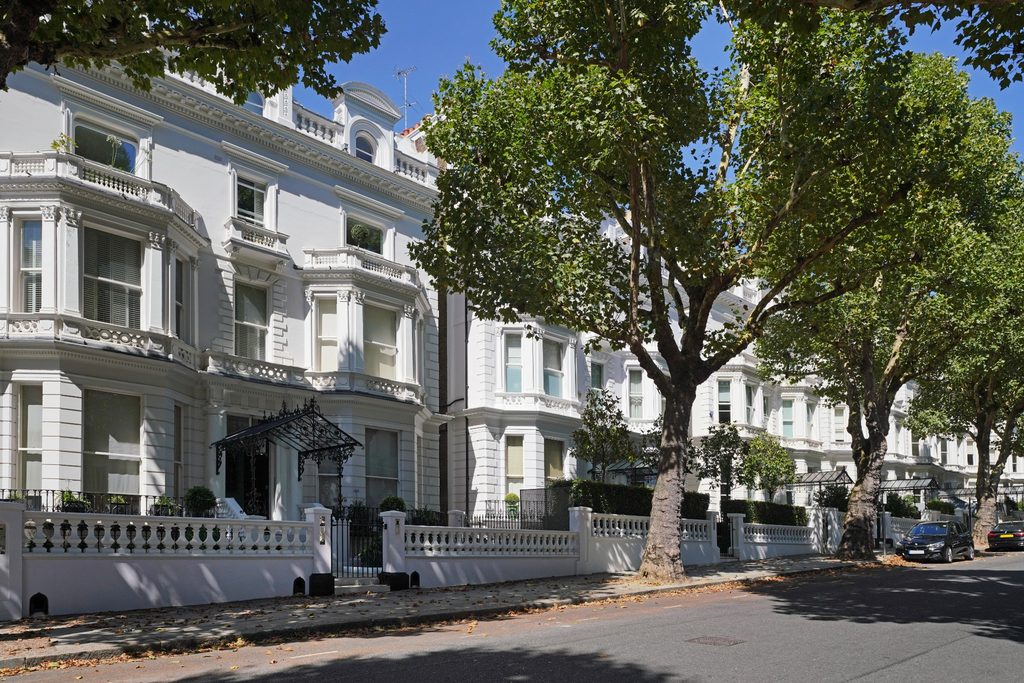
The High Value Council Tax Surcharge – more commonly known as the Mansion Tax – is already impacting buyer and seller strategy, more than a year before it is due to come into force.
Analysis by Tax Policy Associates has found that the number of completed sales at precisely £2m has already dropped sharply, from 117 to 25 between December 2025 and July 2026 compared to the same period the year before.
Meanwhile, the number of homes sold at £1.99m has doubled as vendors trim their prices to sidestep the tax.
“This is obviously not good news for people with properties worth just above the threshold,” said Tom Kain, a partner at Black Brick. “It might help buyers who are negotiating for properties at or just above the threshold, but in the long term it doesn’t benefit anyone. People want to know exactly where they stand on tax, and this tax could change or go up. Uncertainty is bad for the market.”
At the moment the tax will be levied on homes worth £2m or more when it comes into force in April 2028, with levies of between £2,500 and £7,500 per year. But with the Government desperately seeking ways to raise revenue it has been widely suggested the threshold could be dropped to £1.5m.
Tom Bill, head of UK residential research at Knight Frank, calculates that this would triple the number of homes affected to 222,800, with London disproportionately impacted.
Bill suspects that, whatever bands are used, the Mansion Tax will be a handbrake on London’s recovery, discouraging upsizers and encouraging other buyers to try and factor in the future cost of paying the tax when negotiating prices.
The London Assembly has passed a motion condemning the tax, with assembly member Alex Wilson claiming the government is treating London as a “cash cow”. Mayor Sadiq Khan also opposes the tax.
“It is bound to continue the downward drag on prices that we are seeing,” said Dell.
Renting Versus Buying – Which Makes The Most Sense?
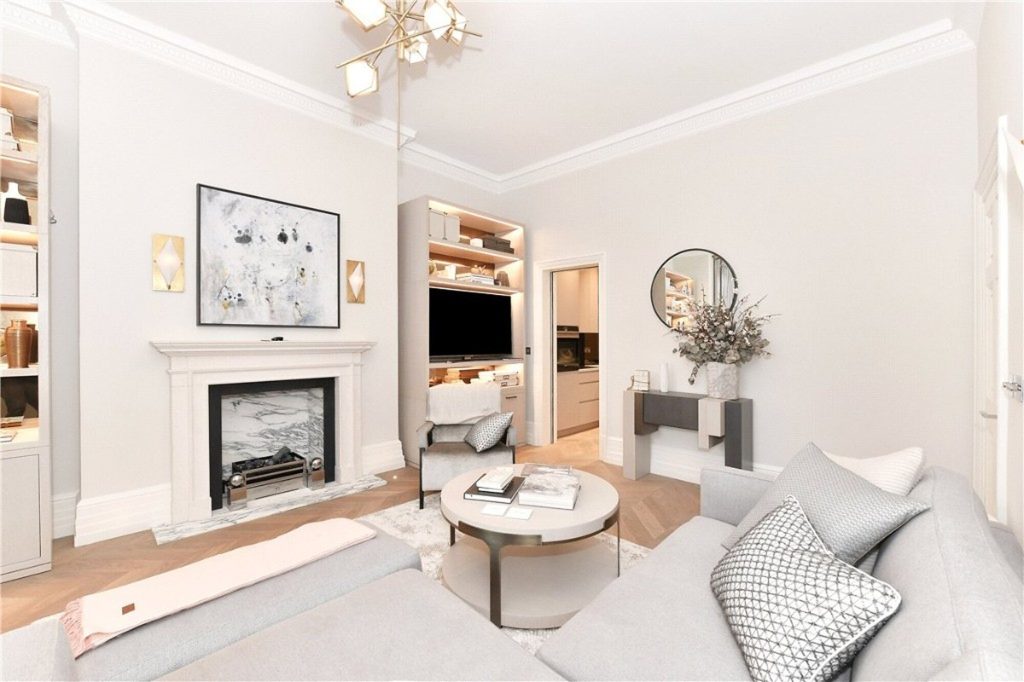
Sale prices might be stationary, but the prime rental market is on fire, according to a new report.
Beauchamp Estates reports that the average UHNWI rent has breached the £4,000 per week mark for the first time, a rise of almost 70 per cent during 2026. This means tenants are paying almost £220,000 per year for their houses.
Rents for luxury apartments and penthouses have increased by 15 per cent in the same period to almost £2,000 per week or more than £100,000 per year.
Beauchamp believes the sharp increase is driven by falling supply set against rising demand from wealthy tenants from the Middle East, America and the domestic UK market.
“We have certainly seen an increase in rental searches,” said Dell. “We went from doing barely one per year to five or six per year.”
Dell believes this uptick is partly thanks to the new Foreign Income and Gains (FIG) regime, a successor to the non-dom tax system, which allows new residents to claim tax relief on foreign income and gains for four years.
Other renters are opting for a “try before you buy” strategy and want to road test an area before committing to a purchase.
And for some, the cost of buying in the UK makes renting more cost effective. Black Brick recently helped clients secure an £11,500pw rental in Regent’s Park. Although this sounds expensive, had they purchased a similar property – worth around £10m – they would have had to pay more than £1.6m in Stamp Duty, not including all the other costs incurred when setting up a new home. This was the equivalent of almost three years’ rent.
“It really depends on how long you plan to stay in London,” said Dell. “If you are staying less than four- or five-years renting can make sense, but if you plan to stay for longer buying is the better option.”

Education, Education, Education
London’s global reputation for superlative educational opportunities has been cemented with the publication of the UK’s latest educational league tables.
London schools dominate the top ten private performers at both GCSE and A level, while two of its universities – Imperial College London and the London School of Economics and Political Science – outranked Oxbridge in the annual Sunday Times Good University Guide, taking second and third places just behind the University of St Andrews.
“We have had lots of clients who have come to us looking for a home close to one of London’s prestigious universities,” said Dell. “It is an important part of the prime market, parents who don’t want their child to live in halls of residence and would rather buy them an apartment.”
Meanwhile, families with school age children are driving markets across Prime Outer London as they seek houses close to top performing schools. At A level these include, according to educational consultant Britannia UK, St Paul’s School (boys) in Barnes, southwest London, Westminster School, Highgate School, King’s College School in Wimbledon – all of which are mixed schools, plus South Hampstead High School (girls).
“Last year we handled the managed sale of a big house in South Hampstead,” said Dell. “The family lived in Highgate, but their children were at South Hampstead school, and they were finding the commute too far. They paid over £7m for a house just to make it more convenient for their girls to walk to school.”
State schools are also a major factor within the family house market. Kain is currently speaking to a family who live in Camberwell, south London, and wish to move less than a mile so that they can be within the catchment area of the “outstanding” Charter School North Dulwich. Previous generations of movers who have made the same sort of decisions have helped drive a significant local premium. “Houses inside the catchment area cost around 30 to 40 per cent than those outside it,” said Kain.
Acquisition Of The Month 1: St Luke’s Street, Chelsea, SW3 – £4,700,000
Time was of the essence when our Brazilian clients engaged Black Brick just four weeks before making a flying visit to London to view properties.
They were looking for a three-bedroom holiday home in an area with good transport links, and a range of interesting independent shops and restaurants. They did not want to have to do any work on the property.
In advance of their visit, we curated a shortlist of homes over a wide swathe of Prime Central London, and the instant they landed we started showing them their options.
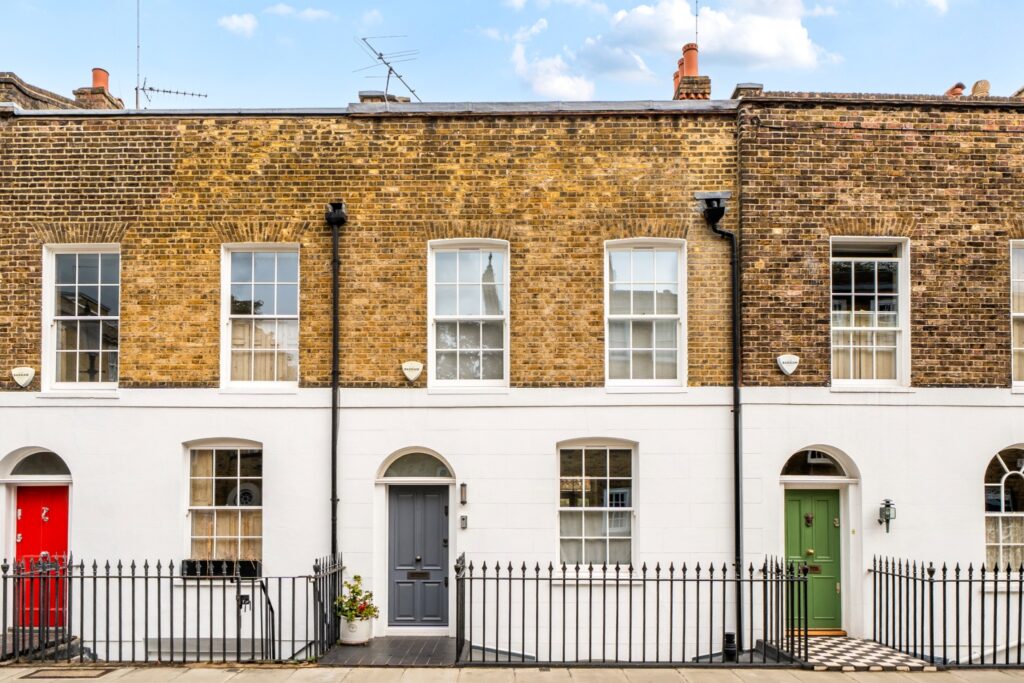
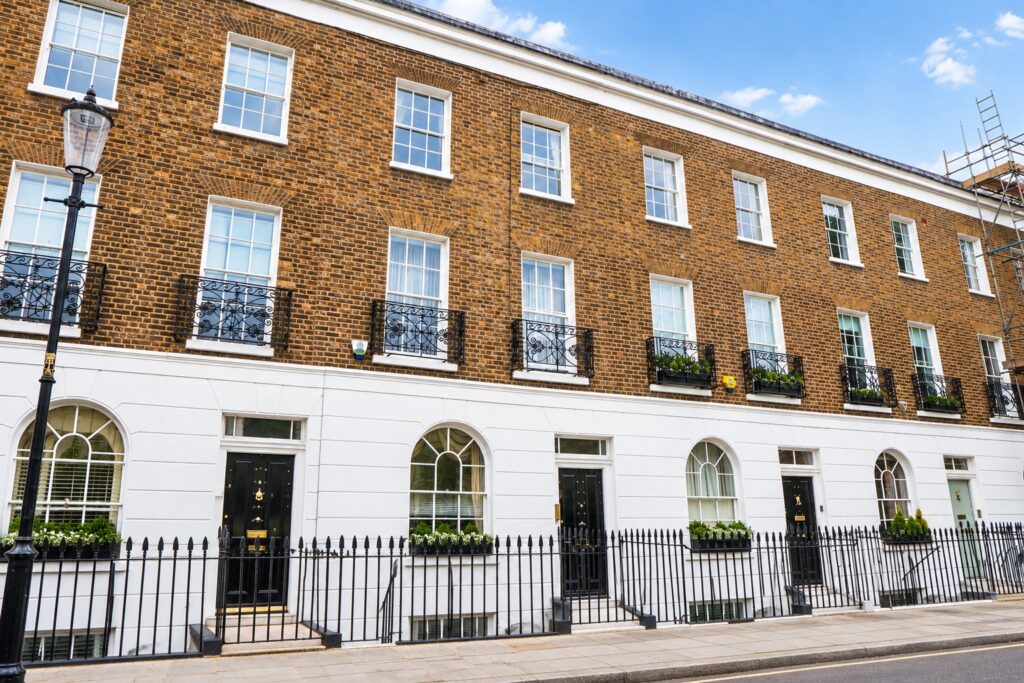
They fell for the charms of a 2,000 sq. ft Georgian terrace house close to both Fulham Road and King’s Road which was being sold discreetly off market by an agent who has often worked with Black Brick over the years.
The house was listed for £4.95m but we were able to negotiate that down, saving our clients £250,000 or just over five per cent of the price.
Acquisition Of the Month 2: Paulton’s Square, Chelsea SW3 – £4,378,000
After getting to know and love Chelsea whilst renting there, a young family came to Black Brick for help finding them a more permanent four-bedroom family home.
Because they were already local, they had a shortlist of favourite streets, and in particular the elegant brick and stucco houses around Paulton’s Square, where they were already living.
Homes on this private square only rarely come up for sale, which meant that the search required both patience and access to on and off market sales. During our search we learned that our client’s landlord was open to selling the house, and we moved fast to secure the property before it could hit the open market.
After giving the house a thorough audit to uncover any structural concerns we were able to negotiate the asking price of £4.5m down by well over £100,000, a saving of almost three per cent.
The property measures 2,238 sq. ft, which means this family paid less than £2,000 per square foot for their forever home.