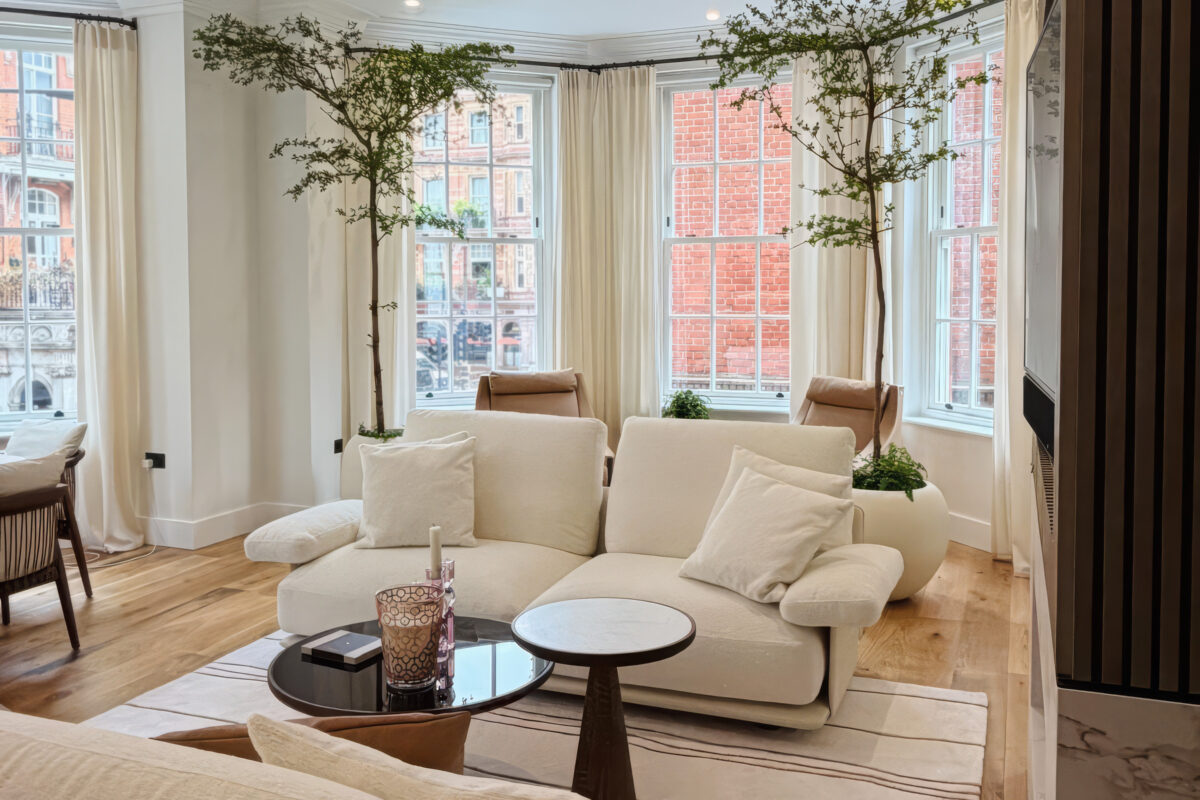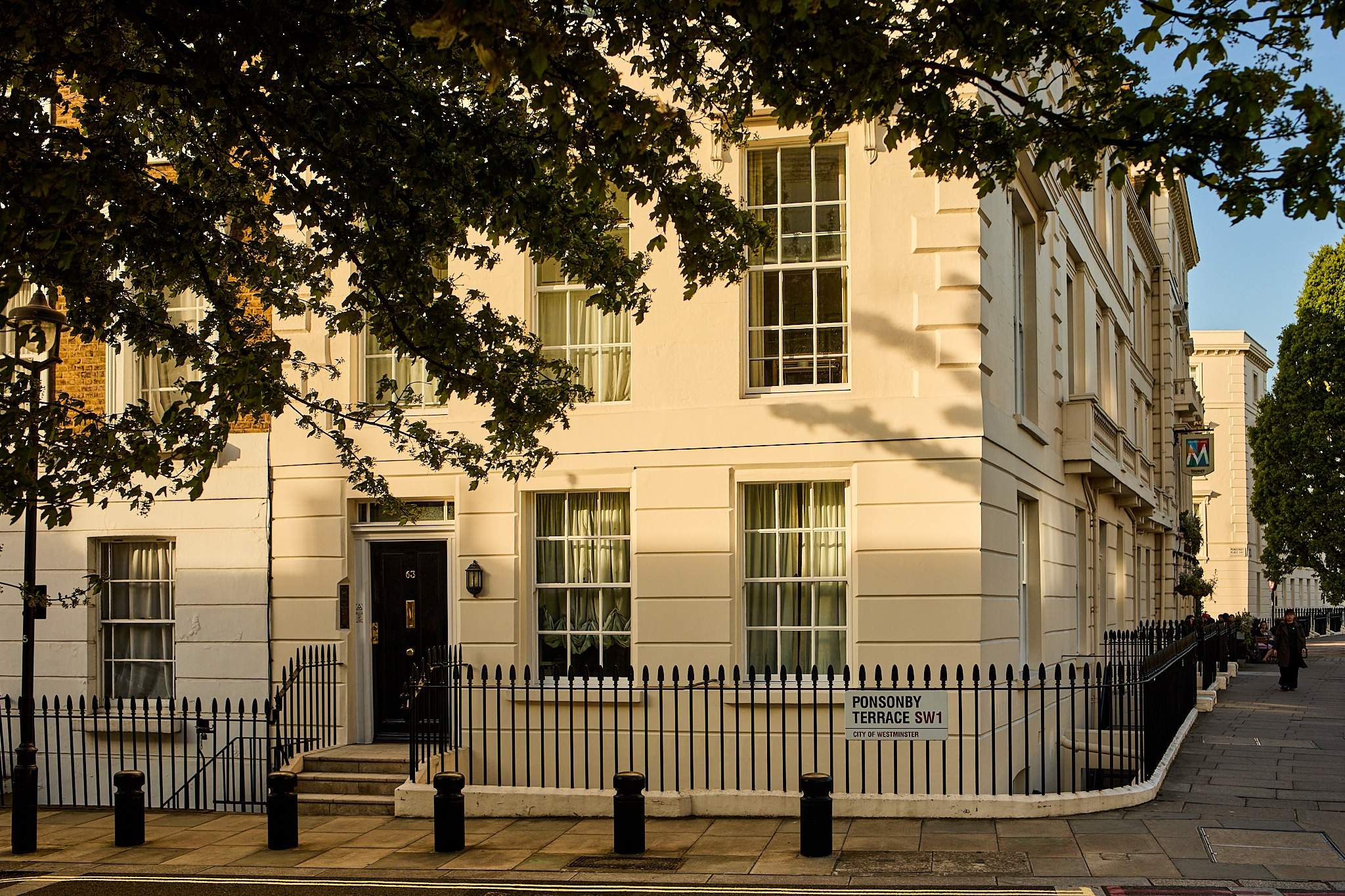

London contained 3.79 million dwellings in 2023, yet only a tiny fraction could reasonably be described as trophy homes. The label is reserved for properties at the absolute pinnacle of their market: rare, best-in-class homes whose location, architecture, outlook, privacy and provenance are exceptionally difficult to reproduce.
Price is part of the picture, but it is not the definition. An expensive home is not automatically a trophy property, while an exceptional example of a smaller property type may qualify because it is the finest of its kind. This guide explains what sets London trophy homes apart, where they are found, who buys them and why many change hands away from the open market.
What Is a London Trophy Home?
A London trophy home is an ultra-prime property considered outstanding within its location and asset class. Buyers pay a premium because the qualities that make it special are scarce: an irreplaceable address, distinguished architecture, unusually generous space, exceptional views, privacy, provenance or a combination of several of these features.
There is no single price threshold or architectural style. A trophy home might be a grand townhouse, a highly private family house or a penthouse with a protected outlook. What matters is that it represents the best of the best for its particular market.
Common Types of London Trophy Home
- Penthouse apartments. Large lateral homes with panoramic views, outdoor space and first-class building services.
- Historic townhouses. Architecturally distinguished houses on London’s most sought-after streets and garden squares.
- Mews houses. Rare, discreet homes that combine period character with privacy and a central location.
- Family houses. Substantial homes in established neighbourhoods, usually close to leading schools, green space and local amenities.
What Makes a London Trophy Home Exceptional?
Trophy real estate can be difficult to define in the abstract, but the strongest examples tend to share several qualities rather than relying on one impressive feature.
- An irreplaceable position. The exact street, plot, outlook and level of privacy matter as much as the wider postcode.
- Architecture and provenance. Period detailing, a noted architect, a distinguished former resident or a Grade I or II* listing can add prestige that cannot be replicated.
- Space and proportion. Generous entertaining rooms, high ceilings, natural light and a layout that works for modern life are all important.
- Privacy and security. Discreet access, strong building management and protection from overlooking are particularly valued at the top of the market.
- Views and outside space. Protected landmark views, terraces, large gardens and access to a private square are genuinely scarce in London.
- Condition and specification. Turnkey presentation, exceptional design and high-quality amenities can elevate an already special property.
Trophy Penthouses
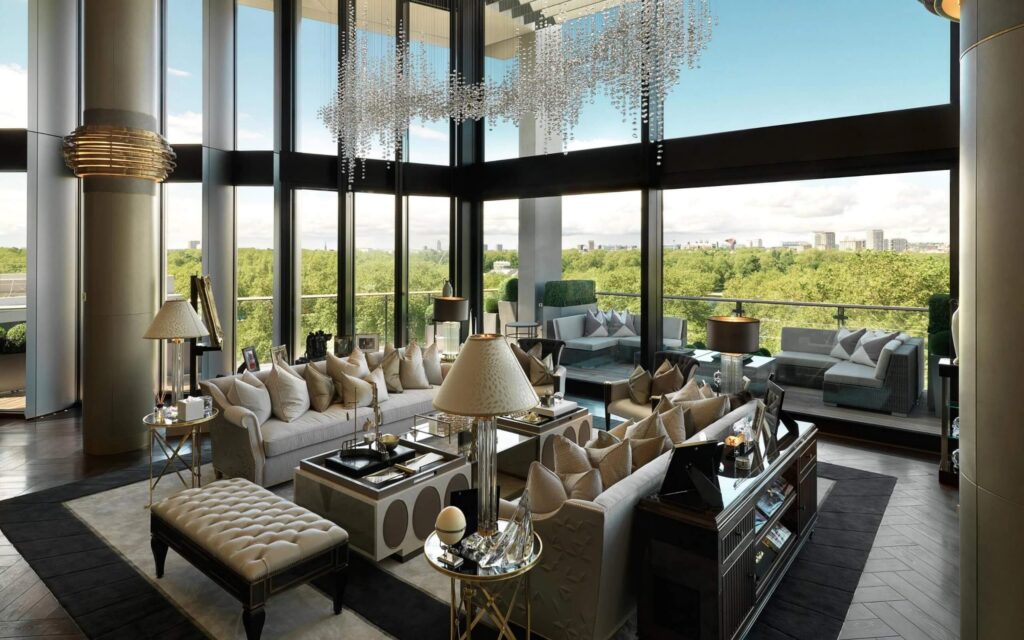
A trophy penthouse will offer a broad expanse of intelligently planned space for living and entertaining, inside and out. Ceilings should feel generous, the finish should be exacting and the panoramic view should remain compelling by day and night. The best examples frame a recognised London landmark or protected green space rather than simply occupying a high floor.
The building matters too. Excellent management, discreet security, secure parking and well-run amenities support long-term value. A genuinely unusual feature, such as a private pool or an outdoor gym on a terrace, can provide the final element of distinction.
We sourced a 3 bedroom unit, off plan, in what has become one of London’s most famous addresses. Our client was delighted that after closing negotiations on the deal, the prices for the remaining units were increased. We also managed to secure an additional parking space. He made nearly £1m on paper in less than one week.
Trophy Family Homes
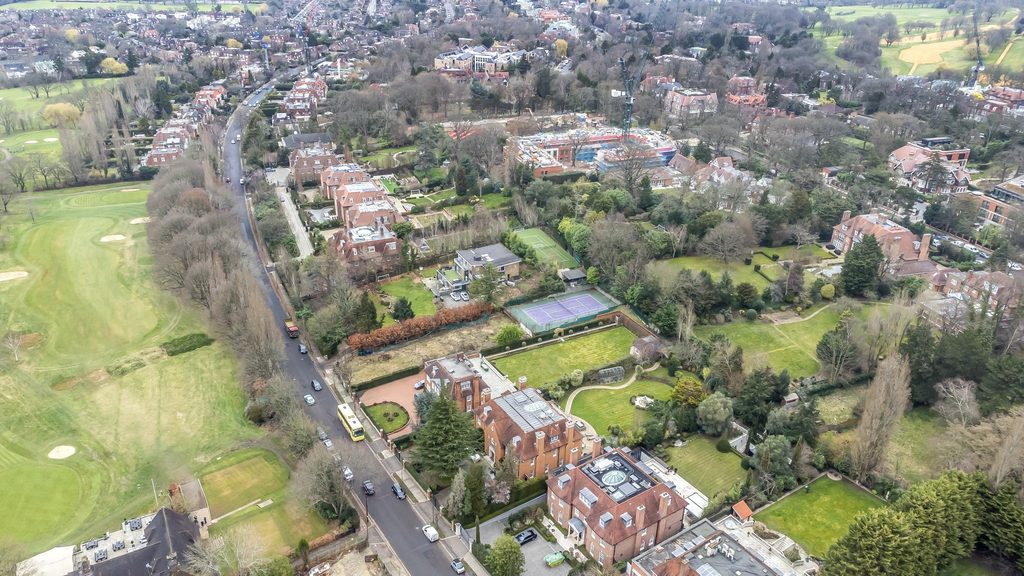
A trophy family home is often found in one of London’s established urban villages, within easy reach of a thriving high street, leading schools and green space. It should offer room for a family to grow and an intuitive layout: perhaps a playroom beside the kitchen, a separate space for teenagers and flexible rooms for guests or staff.
A large, mature south- or west-facing garden that is not overlooked is a significant advantage. Older houses with architectural patina and provenance are especially prized, and a Blue Plaque can provide an engaging link to London’s cultural history.
Where Are London’s Most Sought-After Trophy Homes?
A very good property can be elevated through renovation, extension and interior design. Location is the one quality that cannot be remade. London is a collection of micro-markets, and each has its own trophy streets, plots and building positions.
Prime Central London
Buyers who want London’s restaurants, galleries and private members’ clubs on the doorstep may favour a historic townhouse in Mayfair or Belgravia. Within these neighbourhoods, quieter streets, corner plots, off-street parking and access to well-maintained private gardens command particular attention. Homes with open views across Hyde Park, Green Park or another Royal Park also benefit from an outlook that is both beautiful and highly protected.
Our clients were specifically looking to acquire a significant family residence in prime Central London. Specifically, they would only consider Belgravia, freehold houses measuring over 14,000 square feet, and houses that represented good value and had not previously been done up by a developer.
In the same area, a repeat client from Singapore already owned a flat in the SW1X area but wanted to upsize to a bigger house with outside space in the same area.
North London and Established Family Areas
For buyers prioritising schools, privacy and open space, substantial houses in Hampstead or Highgate can offer a different kind of trophy ownership. The strongest examples combine large gardens and generous lateral space with access to village centres, highly regarded schools and the roughly 800 acres of Hampstead Heath.
Landmark Views and Riverside Positions
Across central London, a direct view of St Paul’s Cathedral, the Houses of Parliament or Tower Bridge can be a defining trophy feature because so few homes possess one. Contemporary apartments in the City, Canary Wharf and along the Thames may appeal to buyers seeking convenience, security and a dramatic skyline, but the exact aspect and likelihood of future development remain critical.
Who Buys at the Top of the London Property Market?
London attracts buyers from every continent, alongside affluent domestic purchasers and expatriates returning to the UK. The relevant global buyer pool is also expanding. The Knight Frank Wealth Sizing Model 2026 estimates that the number of ultra-high-net-worth individuals, each worth at least US$30 million, rose from 551,435 in 2021 to 713,626 in 2026. That is an increase of 162,191 people, equivalent to about 89 new UHNWIs a day.
Many trophy buyers see a London home as a long-term family holding rather than simply a convenient place to stay. The property may be intended for use across generations and chosen for the security, stability and international standing associated with London ownership.
That long-term demand helps explain why the Coutts London Prime Property Index for Q2 2026 described the £10 million-plus market as remarkably resilient, with transaction volumes 34% above the ten-year average. It is evidence of the depth of demand for London’s most exceptional homes, even when the wider market is more price-sensitive.
London Trophy Property Market in Numbers
| Measure | Latest evidence | Source | What it indicates |
|---|---|---|---|
| London housing stock | 3,790,210 dwellings | GLA, 2023 data | Trophy homes form a tiny, highly selective segment. |
| Global UHNWI population | 713,626, up 162,191 since 2021 | Knight Frank, 2026 | The pool of potential international buyers continues to expand. |
| London sales above £5m | 412 in 2025, including 119 above £10m | Savills, 2025 | Activity was 34% above 2019 despite a slower year. |
| London £10m+ activity | Q2 volume 34% above the ten-year average | Coutts, Q2 2026 | The super-prime market remains resilient. |
| Black Brick acquisitions above £3m | 73% were never publicly advertised in 2025 | Black Brick | A portal-only search can miss much of the relevant stock. |
Figures describe different parts of the market and should not be read as a single time series. The Black Brick figure relates only to properties acquired for its own clients.
Why Do So Many Trophy Homes Sell Off Market?
At the top of the market, private sales are common. Hamptons’ 2023 analysis found that one in three homes priced above £1 million sold off market, with the proportion rising to more than half for homes above £2 million. Definitions vary, but the research illustrates how quickly the visible market narrows as values increase.
The reasons are practical. Owners of exceptional homes often value discretion and do not want repeated viewings or photographs and floorplans circulated publicly. High-profile buyers and sellers may also have security concerns. Where an agent already knows a credible purchaser, a broad marketing campaign may add little value.
A portal-only search can therefore miss a substantial part of the available stock. In 2025, 73% of the properties Black Brick acquired for clients above £3 million had never been publicly advertised. A well-connected buying agent can materially widen access by speaking directly to selling agents, developers, advisers and private owners. Learn more about Black Brick’s property buying service.
What Are Today’s Trophy Home Buyers Looking For?
Recent Savills research on London’s £5 million-plus market recorded 412 transactions above £5 million in 2025, including 119 above £10 million. Mayfair accounted for the largest share of £5 million-plus sales at 12%, followed by Chelsea at 11% and Kensington at 10%. The spread of activity shows that no single neighbourhood has a monopoly on trophy property; buyers judge the individual home and its exact position.
Our client knew exactly where he wanted to live and had his heart set on Chelsea Square. Ideally he wanted a house which backed onto the communal gardens, but these rarely ever come onto the open market, so initially he retained us on our Negotiation Only Service to secure him one of the side houses on the square.
The most consistent priorities remain difficult-to-copy qualities: architectural character, a notable history, generous proportions, natural light, privacy, protected views and meaningful outside space. Turnkey condition is highly valued, but only where the design feels considered rather than generic. Buyers also scrutinise security, parking, staffing requirements and the quality of ongoing building management.
At this level, compromises are judged differently. A celebrated former resident or exceptional garden may justify a less conventional layout, while immaculate interiors will not compensate for a noisy street, poor outlook or weak building management. The best trophy purchase is therefore the home whose scarce qualities align most closely with the buyer’s own priorities.
Accessing London’s Most Exclusive Homes
Trophy homes are rare, and the right property may not appear during a conventional search. We know how to source rare assets, like this once in a generation house in Notting Hill, which has subsequently received unsolicited offers for the house well in excess of £30 million. Finding a first among equals requires detailed knowledge of London’s neighbourhoods, streets and individual buildings, together with the patience to monitor both public and private opportunities.
Independent advice is also valuable once a property is identified. A buying agent can test the price against comparable evidence, investigate the title and planning position, coordinate specialist due diligence and negotiate on the buyer’s behalf. For a generational purchase, that discipline matters as much as access. Find out how Black Brick supports London property buyers.