
A buying agent’s guide to the best riverside areas in London, from the South Bank and Canary Wharf to Battersea, Chelsea, Wapping and the west London river villages, with prices and examples from our own riverside purchases.
The short answer The best riverside area in London depends on how you want to live. The South Bank and Bankside suit buyers who want culture and views of St Paul’s. Canary Wharf offers modern apartments and the Elizabeth line, and Battersea has the river-facing apartments of Battersea Power Station. Chelsea, Chiswick, Barnes and Richmond are the established riverside choices in west London and popular with families, while Wapping and Limehouse are best for warehouse conversions.
Key Takeaways
Buyers pay more to live on the Thames, so choosing the right building, and the right apartment within it, matters as much as the area.
19.5%
Average premium for a prime waterfront home, according to Savills
6 of 253
Apartments in Battersea Power Station where every window looks over the Thames
20%
Discount we negotiated on a river-view apartment at Southbank Tower
- Not every river apartment has a river view. In large developments only a handful of units face the water, and those hold their value best.
- Central doesn’t have to mean expensive. Rightmove puts the average sale price on the South Bank at just over £940,000, excellent value for central London.
- Developers will negotiate. New-build riverside apartments can often be bought below the asking price.
- Check the lease. Leasehold arrangements along the river can be complex, so get advice before you commit.
Why buy riverside property in London?
In a frenetic global city there are many buyers who dream of a home overlooking the River Thames – a view of water and of boats is a calming antidote to the stresses of built-up urban life.
A busy building pipeline and plenty of investment to come means buyers have an impressive crop of high-end riverside apartments to choose from, whether they prefer to be close to London’s cultural heart or to its great financial centres.
Buyers are willing to pay a significant premium for the chance to enjoy the ever-changing river. The average surcharge for a prime waterfront home stands at 19.5 per cent according to research by estate agent Savills, which compared sale prices of “front row” apartments to prices achieved up to half a mile, or a ten-minute walk, away from the riverside.
Navigating this part of the London property market can be stressful, and requires exactly the sort of expertise a buying agent provides to secure viewings and manage purchases.
South Bank and Bankside
The river’s edge between Westminster and Blackfriars bridges contains an extraordinary concentration of cultural institutions: the National Theatre, the Hayward Gallery and the British Film Institute.
This is a lively part of town with plenty of tourists, an increasingly impressive range of bars and restaurants, both permanent and pop-up, and even a summer beach. It also has some of the best views across the river towards St Paul’s Cathedral and Somerset House.
Once primarily a commercial district, the South Bank has evolved into a hotspot for luxury riverside property in London. Buyers can choose between new developments like Southbank Place, a glamorous reboot of the postwar Shell Centre, or, further east by Tower Bridge, one of the historic warehouse conversions around Shad Thames, where cargoes shipped to London’s port from around the world were once stored.
The average sale price on the South Bank is just over £940,000 according to Rightmove, making it excellent value for central London.
Our South Bank purchases: at Southbank Tower we secured a three-bedroom apartment on the 24th floor, with views over the Thames and the City, for £2.2m, saving our clients £550,000, or 20%, on the £2.75m asking price. At Triptych Bankside we bought a newly completed three-bedroom lateral apartment with floor-to-ceiling windows for a US client, for £2.55m.
Canary Wharf
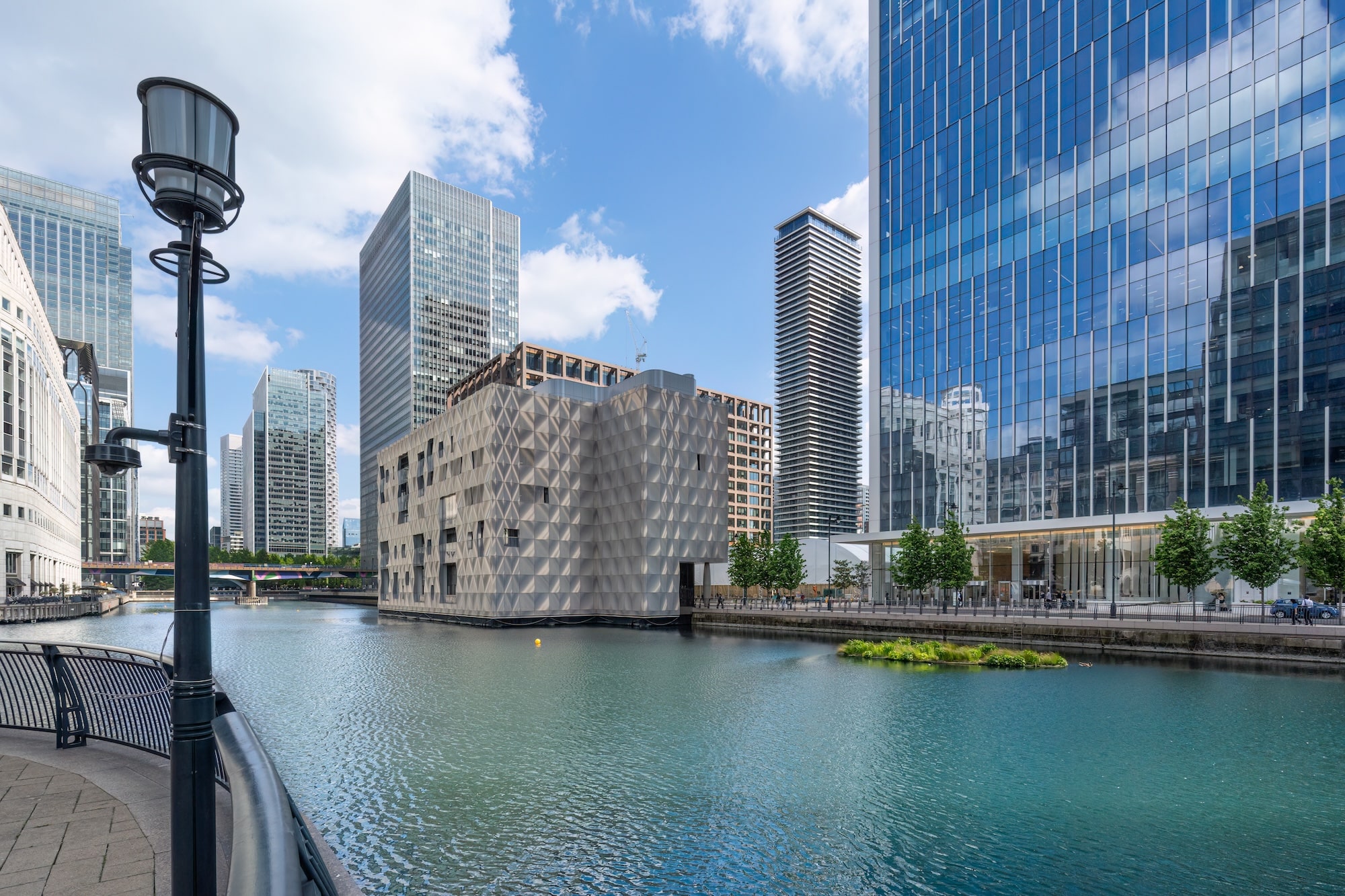
Some four miles east along the river from the South Bank, Canary Wharf has been on a long, slow but steady journey towards bona fide property hotspot, ever since the late Margaret Thatcher decided to repurpose acres of derelict dockland as a new financial district to rival the City.
For many years Londoners dismissed Canary Wharf as a desolate swathe of offices and not much else. But the area has matured, and it is now a destination in its own right, with fast Elizabeth line services to the City, central London and Heathrow, excellent shops, live music and events at The O2 across the river, some fantastic restaurants, and a lively programme of cultural events.
In 2011 just 12,500 people called Canary Wharf home, and according to Tower Hamlets Council that number has since almost doubled. Buyers spend an average of £611,000 on an apartment, although the smartest penthouses are priced at up to £4m.
The Canary Wharf Group is working on the five million sq ft Wood Wharf development, which will include a hub for tech companies, more than 4,000 new homes to rent or buy, and a whole host of new restaurants and venues.
Battersea
The centrepiece of Battersea’s riverside is Sir Giles Gilbert Scott’s Grade II listed former power station, now converted into homes, shops and offices, with Apple taking 500,000 sq ft of commercial space.
It shows why the right unit matters. When we searched the building for a client, we found that of its 253 apartments only six had every window looking over the Thames, and only two of those were still available. We secured the better of the two, a 2,390 sq ft, three-bedroom duplex penthouse, for £5.55m, or £2,238 per sq ft, a significant saving on the original asking price. Read the Battersea Power Station case study.
Chelsea and west London: Chiswick, Barnes, Putney and Richmond
The River Thames meanders its way through some of London’s most sought-after postcodes, and family buyers tend to gravitate towards its western stretch.
Chelsea has some particularly good and well-established waterfront developments, notably Chelsea Riverside, and houseboats moored at Chelsea Reach. Nearby, we found clients a two-bedroom apartment with a private river-view balcony at Harbour Reach, Imperial Wharf, for £1.175m, £20,000 below the asking price.
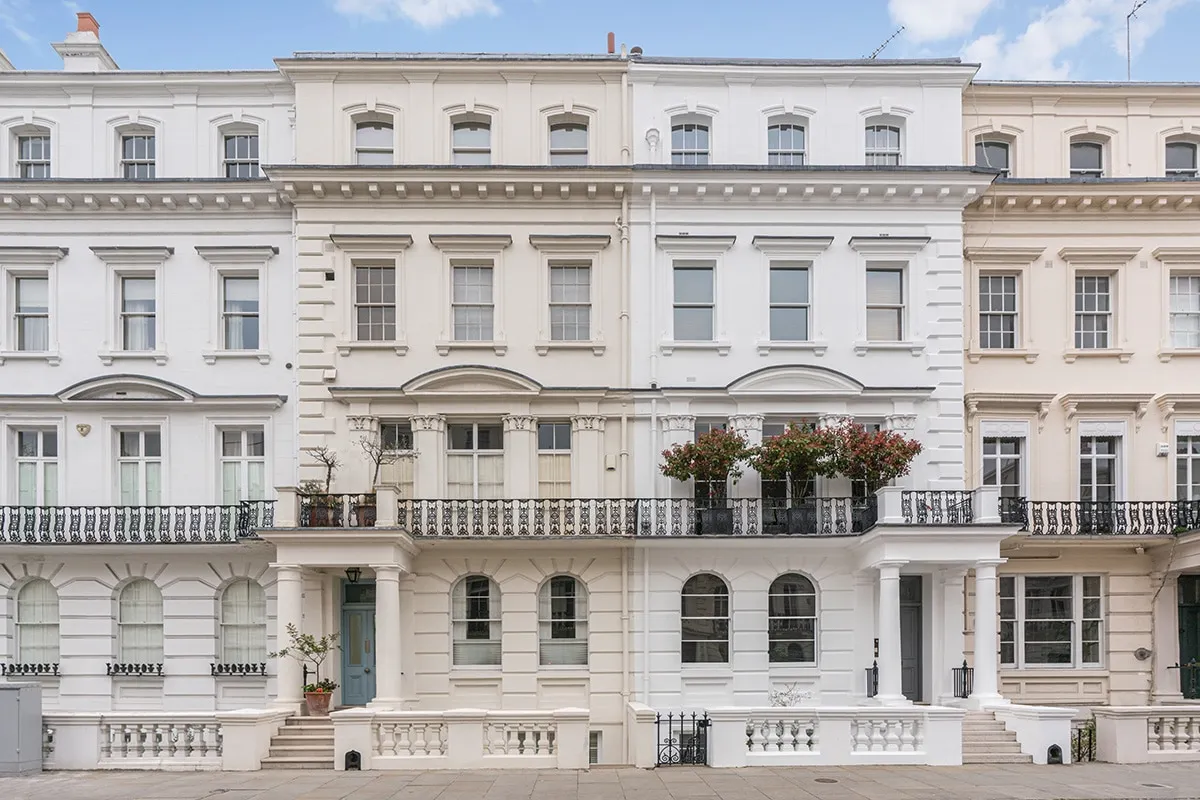
Further west, Chiswick has historic townhouses on The Mall, its premier street, and Barnes is sought after by parents thanks to its proximity to some of London’s top-performing independent schools, including St Paul’s, and the bars and restaurants of Chiswick High Road. Richmond has a greener, village feel, and is one of our best London family neighbourhoods.
Putney can also surprise buyers. We took one client to a development there that he had never considered, and found him a 150 sq m apartment with river views at Milliners House, Riverside Quarter, for £1.52m.
Wapping, Limehouse and Canada Water
To the east, historic Wapping is a good place to hunt down an elegant townhouse or loft apartment in the characterful middle ground between the South Bank and Canary Wharf.
Further east, Limehouse offers large lateral apartments right on the water. At Phoenix Wharf on Narrow Street we secured a lateral apartment with a private balcony overlooking the river for £1.05m, almost 10% under the asking price, and exchanged in less than four weeks.
Canada Water, over the river from the towers of Canary Wharf, is very much one to watch. Work has begun on a £4bn redevelopment of the primarily industrial area into a new neighbourhood with more than 3,000 homes.
Is riverside property in London a good investment?
Waterfront sites in London are extremely scarce, so a quality property, especially one with an iconic view of a landmark, tends to outperform other parts of the market in good times and hold its value when the going gets tough.
The waterfront enclaves of west London are hugely popular with families, and family homes have performed better than other property classes over the past year or two. With huge investment going into areas like Canada Water and Canary Wharf, there is hope that prices will grow there too as new amenities come on stream.
Riverside apartments and houses: what to check before you buy
The sheer variety of homes along the River Thames is dizzying. There are houseboats at Chelsea Reach, historic townhouses on The Mall in Chiswick, modern apartments with residents’ facilities on the South Bank and at Canary Wharf, and former warehouses full of original features. If you want to get away from it all you could even buy a home on one of the Thames islands, or eyots, which are linked to the mainland by bridge.
- The view from each room. Check which rooms actually face the river, and whether future developments could block the view.
- The lease. Arrangements for riverside buildings can be complex. Our leasehold guide explains what to look for.
- New build or period. Compare service charges and facilities with the character of a conversion. See our guide to buying off-plan and new-build property.
- Getting around. Look at riverboat services as well as the Tube and the Elizabeth line.
Buying riverside property with a buying agent
With so many options, buyers need sound and expert advice, not just on which neighbourhood would best suit their needs but on which building, and which apartment within it, will hold its value. We analyse new developments closely so that our clients only buy the best units, and we negotiate hard on price.
With decades of experience and an intimate knowledge of every nook and cranny of London, Black Brick can make sure your waterfront buying journey is plain sailing. Get in touch to talk about your search.
Your Questions Answered
For culture and views, the South Bank and Bankside. For modern apartments and fast transport, Canary Wharf. For established riverside living, Chelsea, Battersea and Chiswick. For families, Barnes and Richmond. For warehouse conversions, Wapping, Limehouse and Shad Thames.
Yes. Savills found that buyers pay an average premium of 19.5 per cent for a prime waterfront home, compared with similar homes up to half a mile away from the river.
It varies widely. The average sale price on the South Bank is just over £940,000 according to Rightmove, and buyers spend an average of £611,000 on an apartment in Canary Wharf, with the best penthouses at up to £4m. Our own riverside purchases have ranged from £1.05m in Limehouse to £5.55m at Battersea Power Station.
The best ones usually are. Waterfront sites in London are scarce, so quality riverside homes, especially those with a landmark view, tend to outperform in good times and hold their value in weaker markets. Choosing a unit that genuinely faces the river matters most.
Most riverside houses are in west London, such as the historic townhouses on The Mall in Chiswick and the family homes of Barnes and Richmond. Wapping has townhouses in the east, and there are even homes on the Thames islands, or eyots.
Family buyers tend to choose the western stretch of the river. Barnes is close to top independent schools including St Paul’s, Richmond has a greener, village feel, and Chiswick has the shops and restaurants of Chiswick High Road.