New build vs period properties: which is a better investment?

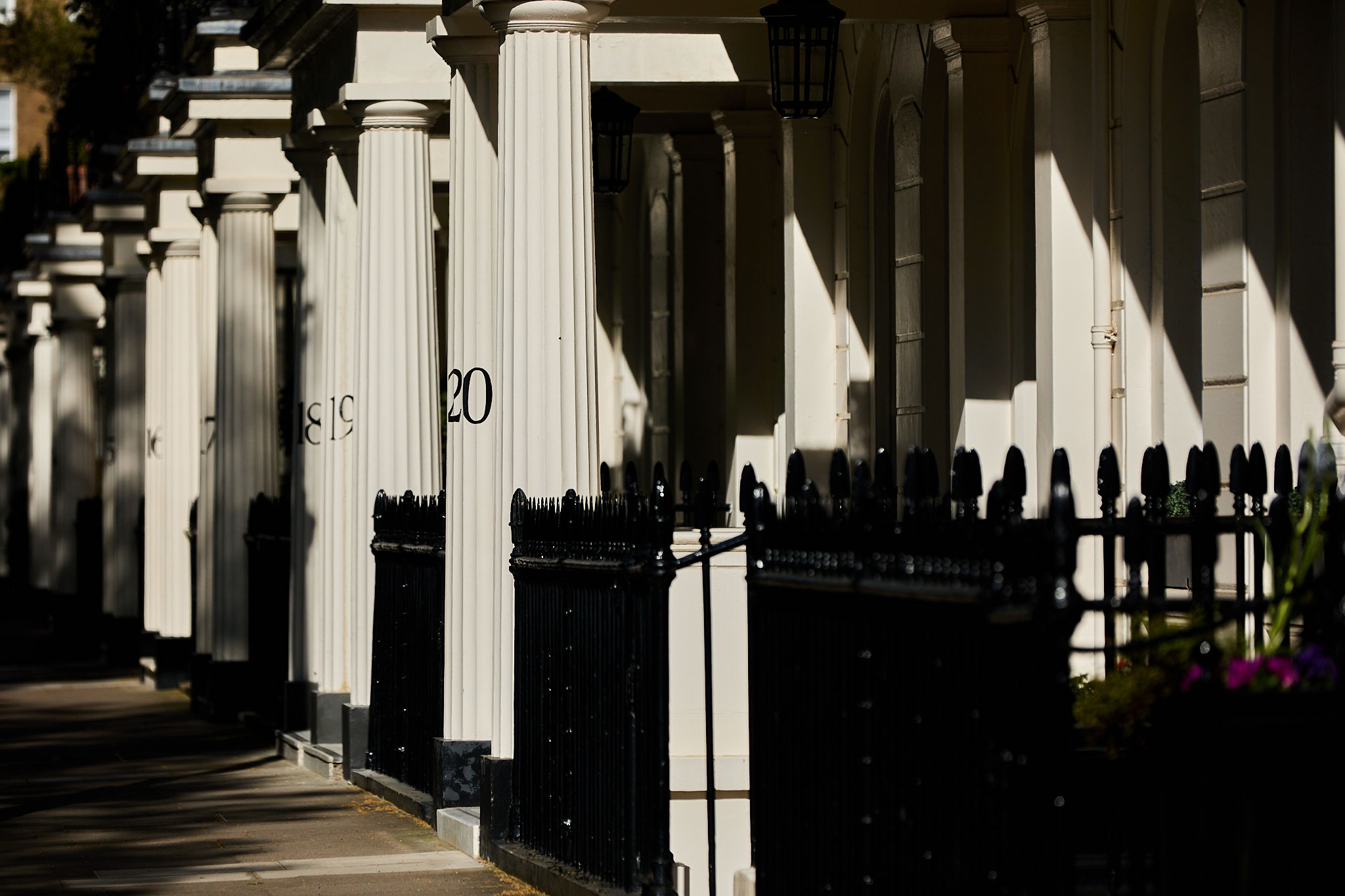
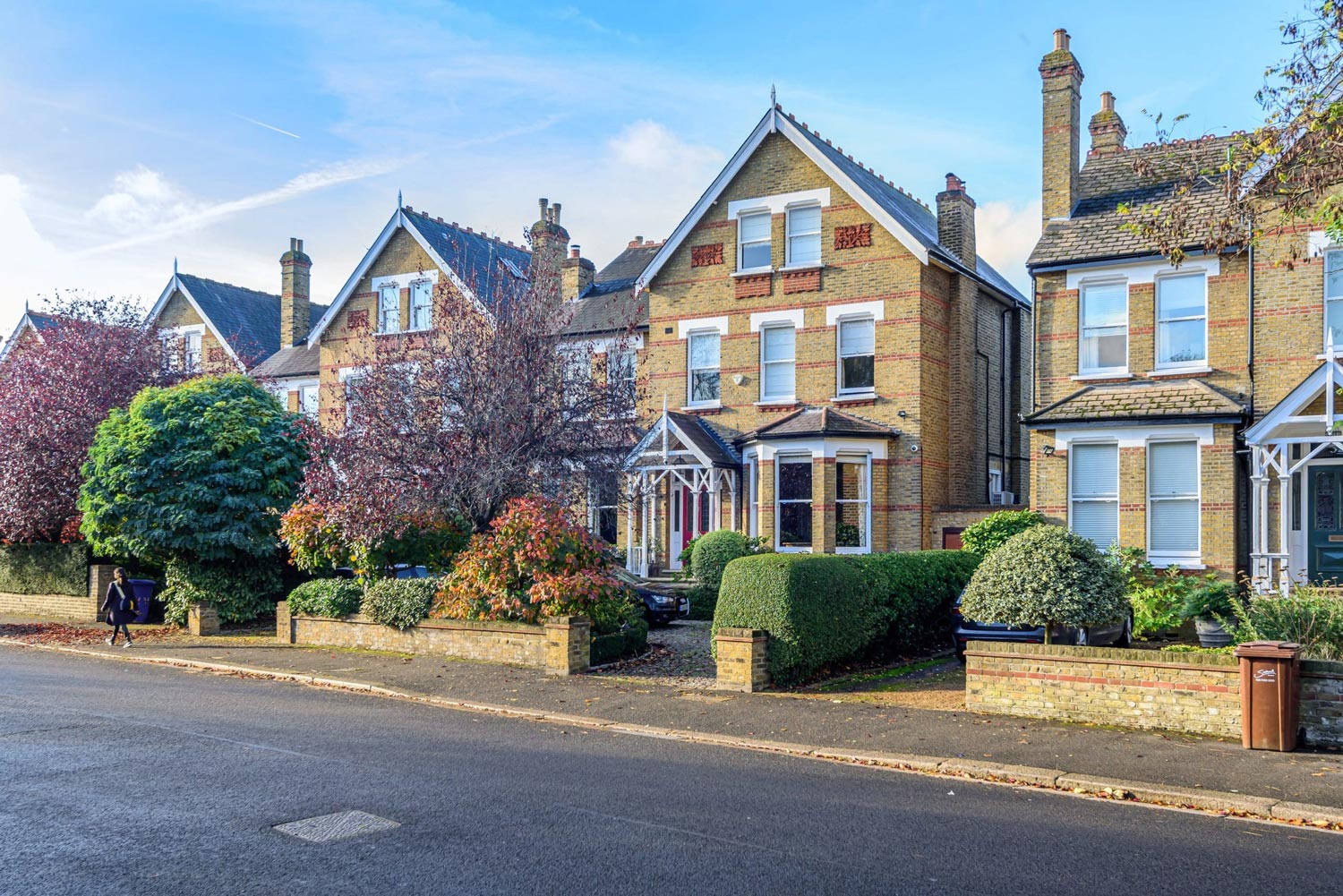
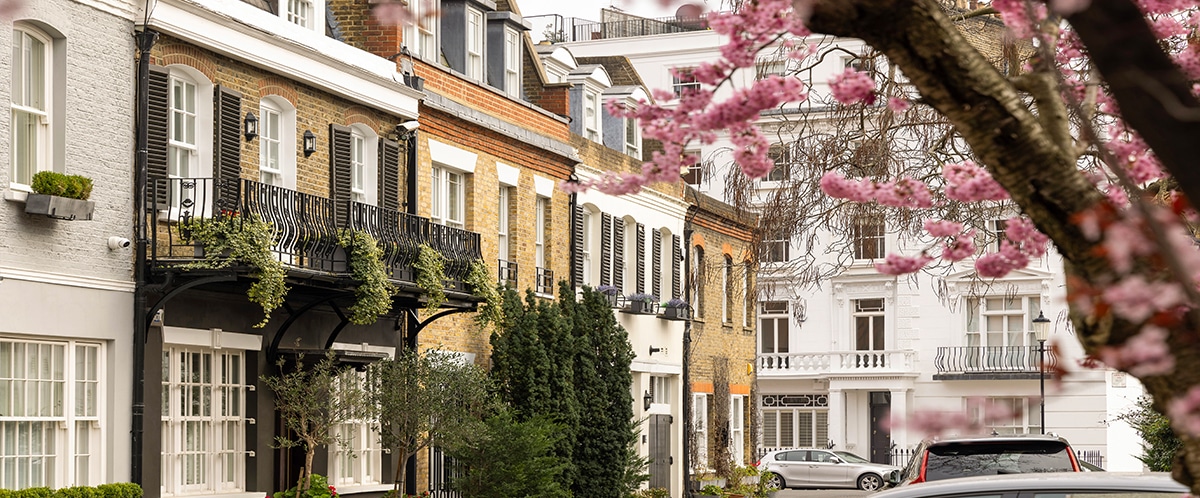
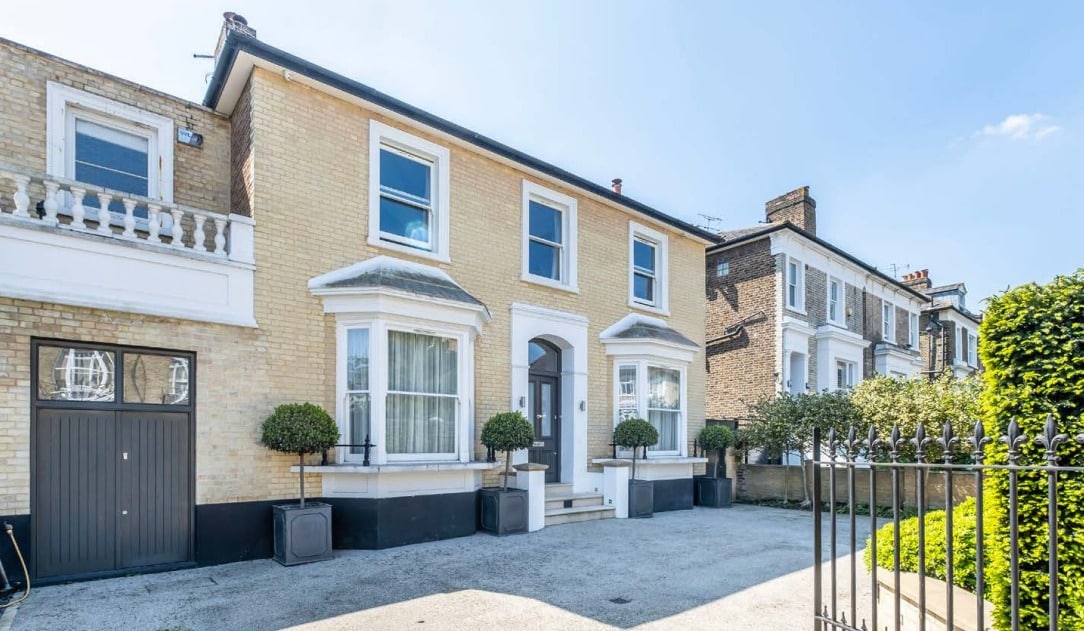
If you are thinking about buying an investment property, one of the key decisions you will have to make is whether to opt for a brand new home or a ‘period property’ – an older house built in the Georgian, Victorian, or Edwardian eras.

Both options have pros and cons as a property investment. New builds are low maintenance, have the kind of contemporary look that appeals to younger renters, and tend to be cheaper to run.

But period homes can offer you better value for money, they have more potential to add value through improvements, and may also see stronger price growth making them a better long term property investment.

Whether you are a veteran investor or need a beginner needing a guide to property investment, these are the issues you need to weigh up to find the best property investment for you.

New build property

Why buy a new build property?

As the property will be brand new when you buy it, you will be able to move tenants in straight away rather than wasting time and money on repairs and refurbishment. Buying new makes managing rental properties easier as they will require less ongoing work than an older home.

The vast majority of new homes come with a guarantee from the builder for ten years, which should cover all major structural problems giving you peace of mind.

New homes are generally far more energy efficient than period homes. This means running costs will be low, a great selling-point when letting out a property, and good news if you plan to let the property inclusive of bills. Energy efficiency is going to become increasingly important to buy to let landlords over the next few years. From 2025 the Government has said that all rental properties will have to have an Energy Performance Certificate (EPC) rating of at least C. Most new build homes have a rating of A or B – and bringing an older home up to standard could be difficult (and expensive).

Many renters like the contemporary layout offered by new build homes, which tend to have ensuite bathrooms (particularly practical if you are considering the HMO option), open plan kitchens, large windows, and balconies.

From a logistical point of view, if you are building a rental portfolio, you could consider buying multiple flats in a single development. This will make buying and managing the properties easier, reduce stamp duty rates, and you may be able to negotiate for a discount from the developer.

If you buy off-plan property, you typically put down a deposit initially (usually ten per cent) followed by staged payments over a period of a year or two which can help with cash flow.

Are new build properties a good investment?

New homes do tend to have less character than Georgian, Victorian, or Edwardian period homes – and some tenants, and future buyers, will inevitably prefer the idea of an older home with high ceilings and period features.

Because a new home is already immaculate there are fewer opportunities to add value to it by upgrading or extending it. There may be more opportunities to extend a new build house, although bear in mind that the developer will already have done everything they can to maximise floorspace (and in some cases may have imposed restrictions against further extensions).

New homes tend to cost more than older ones. Developers charge a premium because a property is brand new but as soon as it has been let out it loses this selling point. If you decide to sell soon after buying you may find it is less than you paid for it although if you have a longer term strategy it should recover its value as local market values rise.

The premium price of a new home will have an impact on the property yield – its rental income expressed as a percentage of its total value. You might be able to charge a slightly higher rent when letting out a brand new property to help cover that, but once your first tenants have moved on you won’t be able to do so again.

You will have to pay an annual service charge on a new build home to cover day to day maintenance of the building and amenities including concierge services and lifts. These can be very expensive, and the more facilities, the higher the charge. Period apartments have less communal space and service charges will therefore be considerably lower. And if you buy a freehold period property (or a flat with a share of freehold) there is likely to be no service charge at all – although you will have to arrange and pay for necessary maintenance works.

If you buy on a large-scale development you will inevitably find yourself in competition with other landlords. If tenants have plenty of choice you may have to offer a lower rent in order to stand out.

Buying property is a skill; buying a home off plan is an art. Even with plenty of computer-generated visuals and scale models it can be hard to visualise exactly what the property will look like when finished, and to understand exactly what the views will be like. This is especially true if you are buying in an area where lots of building work is going on and you will need to find out as much as you can about planned new buildings in the area and the impact they could have on your property’s outlook.

And if you buy off plan you could end up waiting up to three years for the property to be completed. A lot can change in that time – the value could rise, but if it drops finding mortgage finance could be a challenge.

Period property

Why buy a period property?

Tenants may be willing to pay more to live in a home with great character features, which is also in good condition. When you think about selling a buy to let property, the same will apply to buyers.

There is evidence that period homes hold their value better than newer ones – these are designs which have stood the test of time already, while new builds can start to look extremely dated after a few years.

Very few period properties are perfect. While this means you may need to carry out upgrades it also means that you can add value to the property, whether by adding an extra bedroom in the loft or enlarging the living space. This will pay dividends when the property is rented out and, add to its resale value improving your capital gains.

Are period properties a good investment?

While upgrading and extending a period property will add value, you may be limited in what you are able to do if it is listed, or in a conservation area.

Building works are becoming increasingly expensive, as the price of labour and materials rise.

From repointing brickwork to having chimneys regularly swept, older properties tend to require more maintenance than new ones.

Good quality period housing is in short supply, particularly in sought after locations, and finding a property could take considerable time and effort.

Which is a better investment?

Whether you pick a brand new home or an older property as a buy to let property investment, it is crucial to consider the fundamentals of the location.

Homes will be more rentable if they are within an easy (ten minute) walk of a London Underground or overground station.

Tenants – and, indeed, future buyers – will be attracted to homes close to a good quality high street with plenty of coffee shops, restaurants, and bars, as well as everyday shopping.

If you are buying a family-sized property then consider the standard of the local schools, both state and private. While Ofsted ratings can change, a well regarded local school is a big tick in a property’s favour.

Green space has shot up renter and buyer wish lists since the pandemic. Outside space plus proximity to a good quality park is a major selling point.

If you are considering buying a property in a regenerating corner of London you need to weigh up the potential impact of nearby building works on tenants versus the longer term gains to be made of buying early in an up-and-coming location.

Your questions answered:

What exactly is a period property?

‘Period property’ is a catch-all description for older properties, usually referring to homes built before the First World War.

Are period properties worth more?

The most expensive property purchase is usually a brand new home, but once a contemporary home is even a little bit ‘shop soiled’ it will tend to be worth less per sq ft than a period home with character.

Can you extend a period property?

Yes, you can usually extend a period property. You will need to seek professional advice from an architect or planning consultant and may well need planning permission from the local council, but most typical period homes can be extended. Ground floor flats and upper flats with lofts can also be extended, subject to planning.

Listed homes can in theory also be extended, although you will need special permission (known as Listed Building Consent). from the local council.

What is period conversion property?

A ‘period conversion property’ is an apartment within a period house which has been converted into flats, typically with one flat per floor.

Are new build houses worth it?

This entirely depends on your priorities. If you want a low-maintenance, energy efficient home you can start renting out instantly and plan to keep for some time than yes. If you are prepared to put in work at the start to add value, and tackle ongoing maintenance, then a period property might offer better value for money.

Are new builds exempt from property tax?

Buyers must pay Stamp Duty on both new and period properties. And as new homes are likely to cost more than older ones the tax burden is likely to be higher

How do I improve a new build house?

The best way to add value to any property is to add floor space, but this will be almost impossible to achieve in a new property. You may be able to rethink the layout a little – adding sliding doors to give a main living space more flexibility, perhaps, or inserting a shower room and into a guest bedroom.

Do new build properties lose value?

In the short term the answer is yes, they do. A home which is absolutely brand new attracts a premium price. Once it has been lived in, even for just a few months, it can no longer be classed as new, and prices will dip.

Buying Off-Plan and New-Build Properties

Buying off-plan property in London and other prime locations is often seen as a good way to secure high-value real estate before it hits the mainstream market. But is buying off-plan property cheaper, easier or safer?

In this Black Brick Buyer’s Guide, we look at some of the attractions of purchasing off-plan property and consider why off-plan property investment may or may not be the better option in London.

What is an ‘off-plan property’?

When you buy off-plan, you are investing in a property that has not yet been completed.

The purchase is typically made based on the architect’s design or blueprint, an artist’s impression or CGI rendering, or an in-person visit to the part-finished construction site.

Buying new-build property while it is still ‘off-plan’ allows you to complete the legal process and be ready to move in (or rent out) as soon as construction is finished.

Why buy off-plan?

There are several perceived advantages to buying off-plan property in London’s busy housing market, not all of which are directly financial considerations.

For example:

  • Buying off-plan property can be cheaper, as developers will often offer you a discount in exchange for securing a sale early in development, particularly if your deposit is used to cover some of the upfront construction costs or if you are buying in bulk.
  • Even without a discount, rising property prices mean you may be able to secure a property based on a current valuation which is then worth more by the time it is completed. However, beware, as the reverse is also true.
  • Other advantages of buying new-build property:
    • Staged payments – many new builds ask for a reservation deposit to secure the property, followed by 10% on exchange of contracts. There may be a further staged payment of typically 10% to make, but the balance of 80% isn’t due until completion.
    • The property should be in good working order on the day you take possession.
    • You may be given a choice on design, floor coverings, colour scheme and more.
    • New-build properties are often guaranteed by new build warranties for the first few years.
    • You may face less competition when buying an off-plan property, which is unusual across the rest of London’s property market.

To buy off-plan, you must be willing and able to wait until construction is completed, meaning it may not be appropriate for those within a property chain or under time constraints. If the circumstances are right, however, off-plan and new-build property can be a compelling proposition for both homebuyers and career landlords.

Is it safe to buy off-plan?

Buying off-plan is not completely risk-free, especially if you pay a deposit or a percentage of the purchase price upfront. As with any other product, there is always a degree of risk when buying something that does not yet exist.

One of the biggest risks when buying off plan is the length of time between agreeing to buy and completion. If you plan to take finance, your lender will want to do a bank valuation once the property has completed. In a rising property market, there is little risk of the bank valuation coming in lower on completion. However, in a falling market there is always a risk that the price you agreed to purchase doesn’t match with the valuation figure on completion. Lenders will only ever lend to you based on the valuation figure, not the agreed purchase price, so if there is a discrepancy between these two figures, you will need to make up the difference using your own cash.

Legal Documents

It is especially important to have any contracts and other legal documents checked by a conveyancing lawyer with experience in buying off-plan.

Contracts for off-plan property often give developers ‘wriggle room’ in case anything comes up during the construction process. Without good advice upfront, you could find the developer has the right to change or even reduce the floor plan of your future property, or that the contract indemnifies them against any immediate maintenance or repair costs.

Payment Terms

As mentioned above, there is a risk associated with making any payments before the property is completed, especially if you are one of the first to buy property on a construction site that has not yet even broken ground.

Even if everything goes according to plan and on schedule, there may be a question over whether your initial deposit counts towards the final purchase price – so again, work with an expert who you trust to spot these kinds of issues.

Who Can Help?

Black Brick’s expert buying agents have gained a particular reputation for finding the best properties before they reach London’s open market. For off-plan and new-build properties, this means we can make sure your offer is the first the developers receive.

With ‘boots on the ground’ in the capital, Black Brick is in the perfect position to help you navigate any areas of concern, to successfully purchase your next property before it even hits the market.

What you need to know before buying off-plan

There are a few more administrative issues to keep in mind when buying off-plan property in London, or anywhere in the UK:

  • Not all lenders offer off-plan mortgages, so your access to finance may be reduced.
  • Marketing often uses artist’s impressions and computer-generated imagery, so consider visiting the site in person.
  • Construction may not complete on schedule, so be prepared for delays as to when the property will be occupiable.
  • Completed property might not be perfect, so allow extra time to deal with the ‘snag list’ and ensure you agree with the developer that your own independent surveyor can inspect the property prior to completion. It’s much harder to get snags dealt with after you have completed on a purchase.
  • If your property is part of a first phase on a larger site, there could be ongoing construction work very nearby for a long time into the future.
  • Check what else is going to be built in the immediate area and how this may affect the development you are in, and specifically the view from your property.
  • Stamp duty still applies to off-plan purchases.

Is off-plan property a good investment?

Off-plan property may be a good investment in prime locations, especially where there is a deal to be struck. However, buying new-build property in London is not necessarily the most direct route to capital appreciation.

The bigger and faster capital gains are still typically seen in older period properties, which are more unique and characterful, rather than an identikit apartment in a development of several hundred dwellings. These types of property are also more likely to hold their value in the long-term, for the same reasons.

As a rental investor, you may benefit from lower initial costs with an off-plan property, especially since there shouldn’t be refurbishment or repair costs for a while. However, the opportunity to make improvements to older buildings – such as adding insulation and modern central heating – is often what enables investors to substantially increase the rental yield and resale value of these properties.

At Black Brick, we don’t advise against investing in new-build property in London, but it is important to tread carefully when buying into these kinds of development, as (with exception) they do not generally offer as much potential for capital appreciation in the immediate future.

Should you buy off-plan?

Ultimately, there is not a ‘yes’ or ‘no’ answer to whether buying off-plan and new-build property is the better option. For homebuyers, the advantages come with an added level of risk. Meanwhile, some investors want new residential property ready for immediate occupation, whilst others prefer a property which they can add value to.

If you are interested in the opportunities offered by an off-plan purchase, contact Black Brick today to see how our expert property advisors can help.